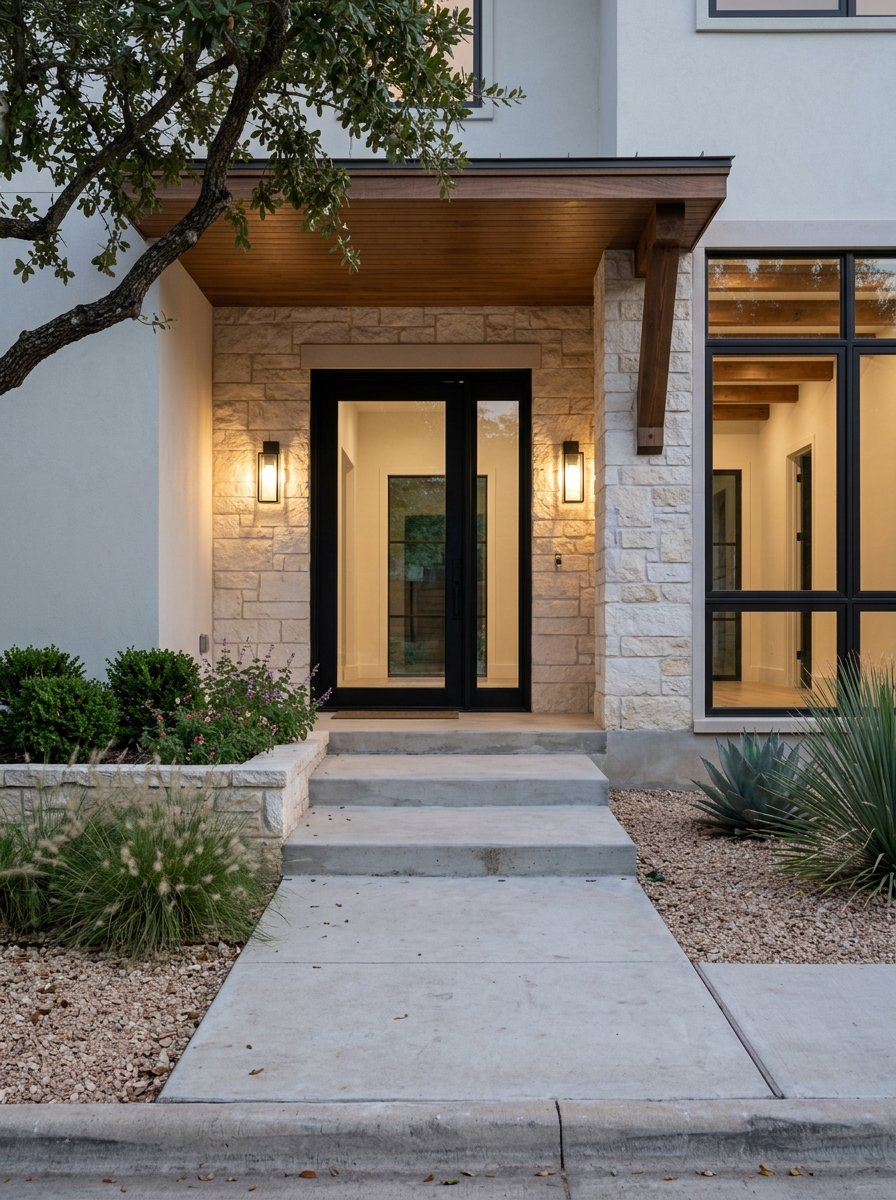
Thinking about selling a luxury home in Tarrytown but unsure how long it takes, what to prep, and what happens between listing and closing? You are not alone. High-end sales in this close-in Austin enclave move on a different rhythm, and details can make or break your timeline. In this guide, you will learn how pricing works in a non-disclosure state, what to do before you list, how luxury marketing reaches real buyers, and what to expect from offers through closing. Let’s dive in.
Tarrytown at a glance
Tarrytown sits just west of downtown Austin, between MoPac and Lake Austin. The neighborhood blends historic cottages, mid-century homes, new custom builds, and prized lakefront properties. Its central location and mature trees make it a consistent draw for design-minded buyers and long-time Austinites alike. For a feel of the neighborhood’s character and setting, explore this Tarrytown neighborhood overview.
Recent activity shows a luxury bracket that often starts around the mid 1 million range and extends well into multi-million for newer builds and lakefront estates. Neighborhood averages have hovered near the mid 1 million median, with average prices around the high $500s per square foot and days on market measured in weeks. These figures shift with inventory and interest rates, so your pricing should anchor to fresh MLS data at the time you list.
How list price is set in Tarrytown
Greater Austin has moved toward a more balanced market, which means more inventory and longer timelines than the peak years. Luxury can behave differently than the citywide median, so it pays to track current absorption and competition. For context, see the Greater Austin market report.
Texas is a non-disclosure state, so final sale prices are not recorded in public deed records. That means your list strategy will lean heavily on MLS-verified comps and local agent knowledge. A strong pricing plan usually includes:
- A CMA built from 3 to 12 months of closed sales plus current competing inventory.
- Apples-to-apples matches by lot type (lakefront vs interior), building era, and finish level.
- Adjusted price per square foot by condition, permits, and unique features like mature oaks or pool.
- Days-on-market patterns for your exact price tier, not just the neighborhood average.
In a balanced market, testing a too-high price can stall momentum. A precise, defensible price often brings better agent engagement and stronger early activity.
Pre-list prep: 2 to 6 weeks
For luxury homes, a clear pre-list plan protects your price and timeline. Most sellers spend 2 to 6 weeks preparing before launch. Your plan might include:
- Repairs and touch-ups prioritized by ROI and inspection sensitivity
- Deep clean, declutter, and light paint to neutralize and brighten
- Staging plan and vendor scheduling
- Professional photography, drone, floorplans, and video
- Pre-list inspection(s) to reduce surprises
- City permit and records checks, HOA and deed document collection
Permits, trees, and shoreline checks
Austin’s heritage-tree rules can affect remodels, redevelopment, or site work. Early conversations with the city reduce risk and help you price and market accordingly. Review the city’s heritage-tree guidance in this overview presentation.
If your property is near the lake or in lower elevations, confirm shoreline and dock rights, floodplain status, and any elevation certificates. Use local and regional resources to understand flood considerations for your parcel, starting with this Texas climate and hazards resource.
Pre-list inspections and disclosures
A pre-list inspection helps you address issues on your schedule and can strengthen buyer confidence in the luxury tier. Many sellers also order targeted inspections for foundation, structural, or specialized systems when relevant. In Texas, sellers typically complete the TREC Seller’s Disclosure Notice when required and follow federal rules for lead-based paint on pre-1978 homes. Review common requirements in the TREC FAQs.
Staging and high-end visuals
Presentation matters. According to the National Association of REALTORS, staging often shortens time on market and can support stronger offers. See key takeaways in this NAR staging report.
For Tarrytown luxury, a full visual suite is expected:
- Architectural photography plus twilight sets for drama and curb appeal
- Drone aerials to highlight lot, trees, and proximity to the lake or downtown
- Cinematic video and agent-led tours that tell a lifestyle story
- 3D walkthroughs for remote and busy buyers
- Floorplans that support value and help buyers visualize flow
Marketing that reaches real buyers
Your buyer pool often includes long-time Austinites, local executives, and out-of-state relocations who want central access and a mature neighborhood feel. A best-practice launch pairs polished media with targeted placement:
- Property microsite and premium listing assets that showcase design and livability
- Targeted social and paid campaigns aimed at regional wealth centers
- Curated email to top local buyer agents and relocation networks
- Broker previews and private events to build early buzz
- MLS syndication and luxury networks for qualified national reach. Learn about specialty networks at the Institute for Luxury Home Marketing.
Showings, privacy, and security
Luxury listings often use private, by-appointment showings with agent pre-qualification and ID. Public open houses can be selective, with invite-only events used when appropriate. If privacy is paramount, your agent can discuss off-MLS options that comply with MLS rules and disclosure practices, along with tradeoffs in exposure and timing.
Offers and the Texas option period
In Texas, most resale transactions use TREC contracts. A defining feature is the negotiated option period. Buyers can pay an option fee for a short window, often 3 to 10 days, that gives them the right to terminate for any reason within that period. You will see the option period length, option fee, earnest money, closing date, and other terms spelled out in each offer. Review common practices in the TREC FAQs.
What negotiates in luxury
Beyond price, the major levers include earnest money, option period length and fee, closing timeline, repair credits vs seller repairs, and concessions. In a more balanced market, buyers may ask for closing cost help or rate buydowns. In hotter conditions, buyers may shorten or strengthen their option and appraisal terms. Keep a close read on conditions using snapshots like this Greater Austin market report.
Appraisal and financing
For financed offers, an appraisal is common. Unique or high-end homes can face appraisal gaps when comps lag. Strong listing packages that present high-quality photos, improvements, and relevant comps help support value. Cash or bridge-financed buyers can shorten timelines and reduce appraisal risk.
Title, closing timeline, and seller costs
Most Texas closings occur at a title company. Financed deals often close in about 30 to 45 days after contract acceptance, which allows time for title search, inspections, appraisal, and lender underwriting. Cash can close faster. See a helpful overview of Texas timelines here: How long does closing take in Texas.
Typical seller costs include broker compensation, prorated property taxes, title-related fees, and any HOA charges. Commission structures are negotiable. Recent industry changes mean many buyers sign written representation agreements that clarify compensation up front. Your listing agreement should outline how buyer-broker compensation will be offered and communicated in the MLS.
Taxes and potential capital gains
If the property is your primary residence and you meet the IRS ownership and use tests, you may qualify to exclude up to $250,000 of gain if single or up to $500,000 if married filing jointly. Review the rules in IRS Publication 523. For current property tax context and bills in Travis County, start with the Travis Central Appraisal District, and consult your CPA for personalized advice.
Your timeline: from decision to closing
- Pre-list prep: 2 to 6 weeks to complete repairs, staging, and media; confirm permits and gather HOA or deed documents.
- Market launch: Day 0. MLS goes live, property microsite and campaigns roll out, and broker previews ramp.
- Showings and feedback: 1 to several weeks depending on price tier, inventory, and season. Adjust strategy after 2 to 3 weeks if interest is soft.
- Contract to close: Typically 30 to 45 days for financed buyers, faster for cash, to allow inspections, appraisal, title, and final loan approval.
From first prep task to a closed sale, many well-managed luxury listings complete in about 8 to 16 weeks, depending on condition, pricing, and market tempo.
Seller checklist: luxury launch essentials
Pricing and strategy
- Build a fresh CMA focused on like-kind homes and current competition.
- Align list price with absorption and likely appraisal support.
Property readiness
- Order a pre-list inspection and address high-impact items.
- Refresh paint, lighting, and landscaping for curb and photo appeal.
- Verify permits, heritage trees, and any shoreline or flood considerations using Austin’s heritage-tree overview and this Texas hazards resource.
Marketing assets
- Schedule architectural and twilight photography, drone, video, 3D tour, and floorplans.
- Create a property microsite and premium brochure.
Launch plan
- Set broker preview, curated open events, and targeted digital campaigns.
- Confirm MLS distribution and any luxury network placements via the Institute for Luxury Home Marketing.
Contract readiness
- Review TREC documents, the option period, and escrow timelines in the TREC FAQs.
- Align on negotiation strategy, appraisal prep materials, and backup plan.
Key risks to manage
- Pricing too high for current absorption. Solve with a fresh CMA and strong visuals that justify your tier.
- Inspection surprises that unwind a deal. Reduce risk with pre-list inspections and targeted repairs.
- Tree, permit, or shoreline constraints discovered late. Check early and set expectations with buyers in the listing package.
- Appraisal shortfalls in unique homes. Support value with curated comps and improvement documentation.
Ready to list confidently in Tarrytown?
You deserve a calm, well-managed path from listing to closing. If you want boutique attention, sharp pricing, and marketing that speaks to the right buyers, connect with Amy Sparks to map your sale one thoughtful step at a time.
FAQs
What makes Tarrytown different for luxury sellers?
- Central location near downtown and Lake Austin, mature trees, and a mix of historic and new builds create a wide price band and a lifestyle-focused buyer pool.
How does Texas being a non-disclosure state affect me as a seller?
- Final sale prices are not public, so your pricing relies on MLS-verified comps and agent expertise to position your home accurately.
What is the Texas option period in a luxury sale?
- Buyers often pay an option fee for a short window, typically 3 to 10 days, to inspect and terminate for any reason, as outlined in TREC contracts.
How long does it take to close once I accept an offer?
- Financed buyers commonly need 30 to 45 days for inspections, appraisal, title work, and underwriting, while cash deals can close faster.
Do I need to stage my Tarrytown home if it is already beautiful?
- Thoughtful staging and top-tier visuals still help luxury buyers see scale and flow, often shortening time on market and supporting stronger offers.