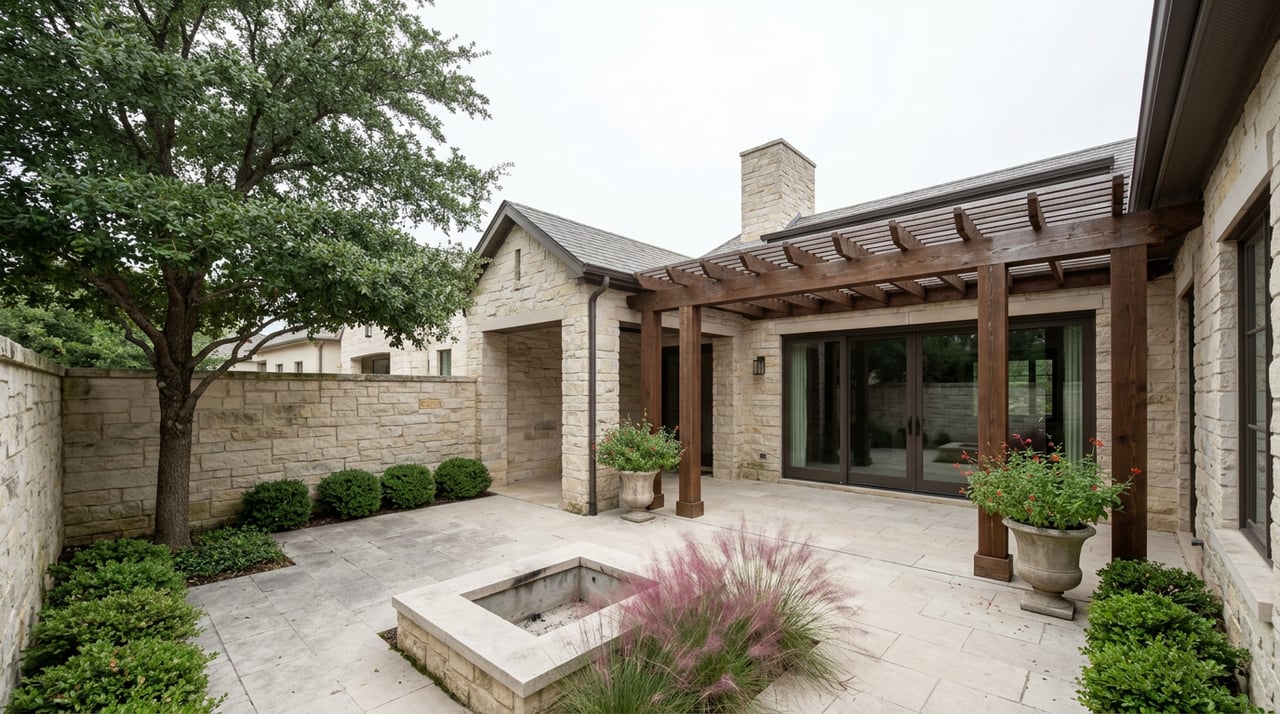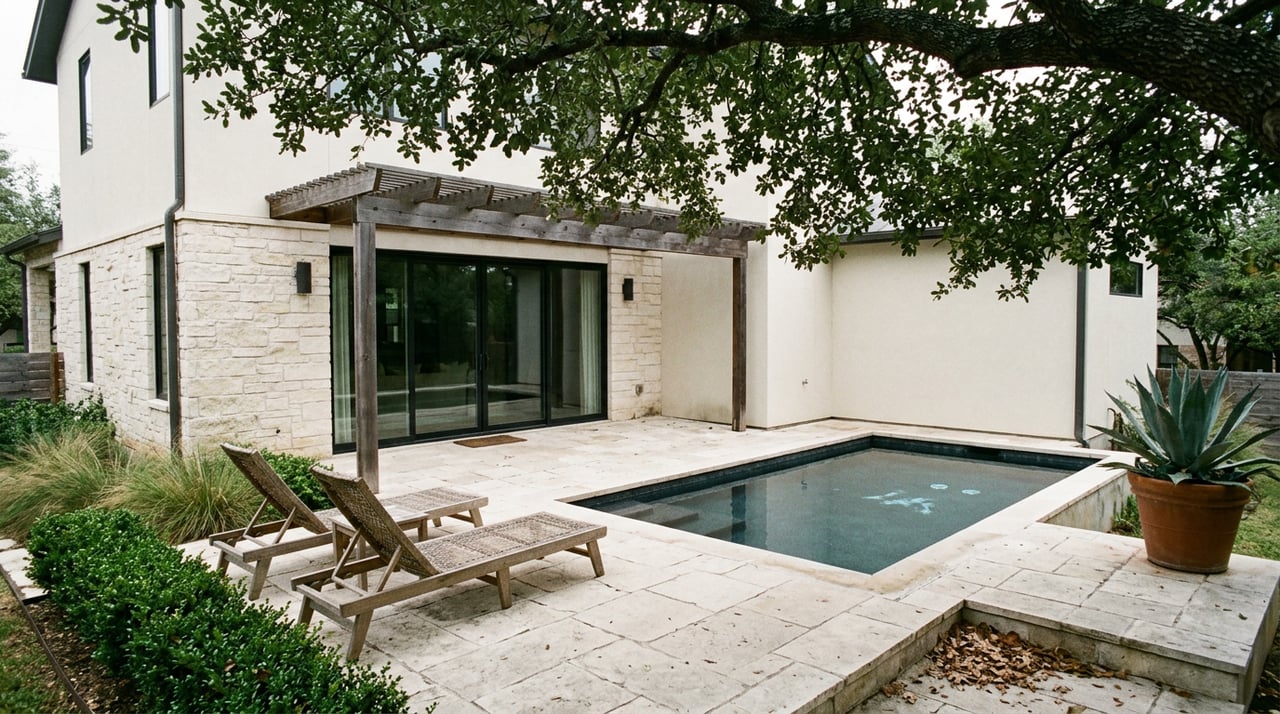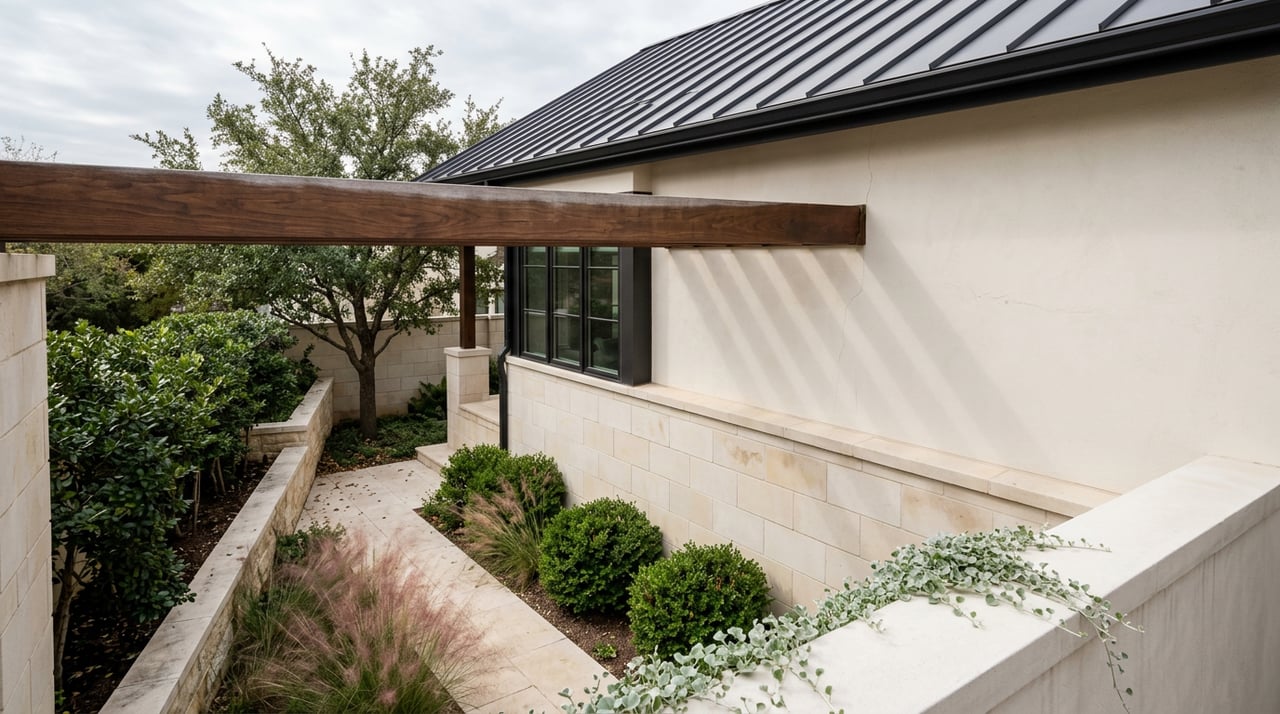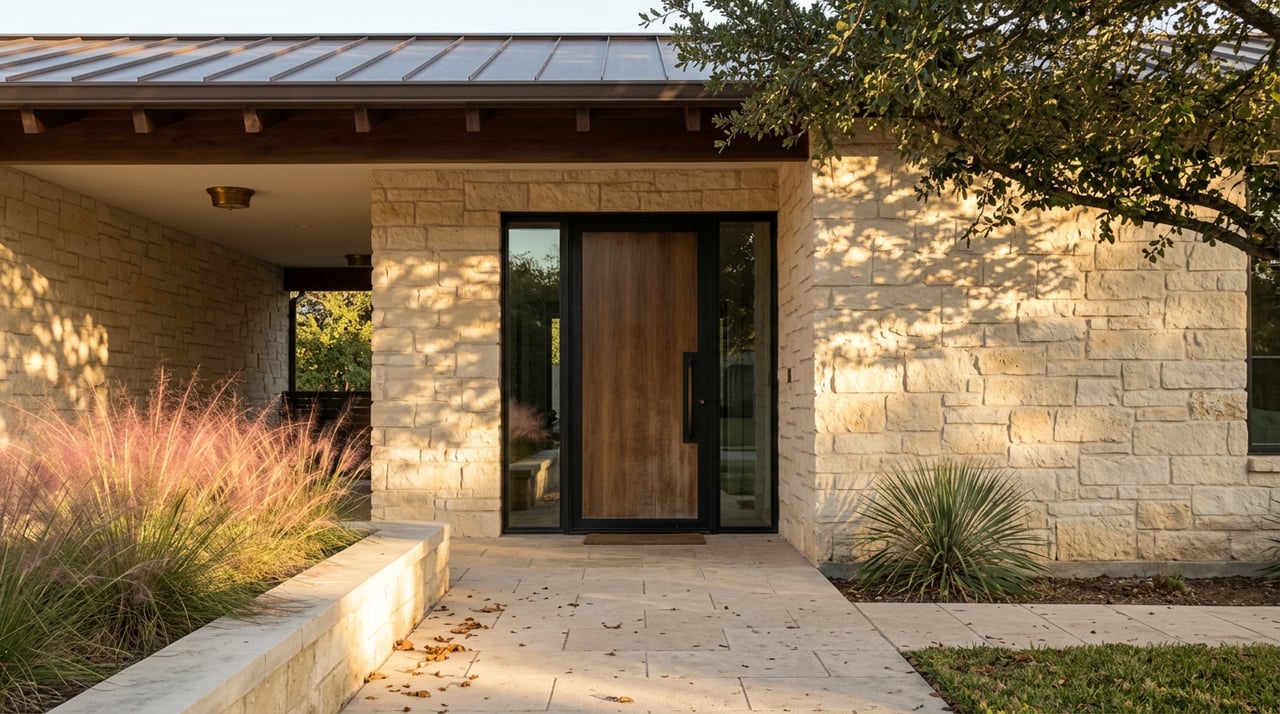
Walk South First Street this fall and you'll see it in the listing descriptions before you see it in the dirt: a bungalow lot advertised with language like "build one residence or up to three," or a FAR calculation the seller says a buyer should verify for themselves. Austin's zoning did change enough to make that pitch technically possible on paper. What the listing rarely mentions is how many separate approvals sit between "technically possible" and a permit in hand, and in Bouldin Creek specifically, that gap is wider than in most of the neighborhoods getting the same HOME Act headline treatment.
The zoning map says yes. The neighborhood plan, the original 1920s plat, and the calendar might say something else entirely.
What actually changed, and when
Austin's HOME Initiative rolled out in two phases, and the dates matter more than the headline number. Phase 1 applications were accepted starting February 5, 2024. The bigger structural change, Phase 2, was adopted by City Council on May 16, 2024, and it's the one that cut the citywide minimum lot size from 5,750 square feet down to 1,800 square feet, the first reduction of its kind in Austin in 80 years according to KUT's coverage of the vote. Phase 2 applications opened citywide on August 16, 2024, with full coverage including Wildland-Urban Interface areas following on November 16, 2024. A further piece, Site Plan Lite Phase 2 and Infill Plat, was adopted March 6, 2025, with applications accepted starting June 16, 2025.
That last date is not trivia. It sets the boundary for a drainage rule that changes what a builder has to submit, and I'll come back to it.
Under the current rules, most Single Family (SF-1, SF-2, SF-3) lots can now support up to three residential units, including tiny homes, according to the city's own HOME Amendments page. For a neighborhood built almost entirely on small, century-old lots, that is a genuine shift in what a parcel can theoretically hold.
The overlay most buyers never ask about
Here's the part that doesn't show up in a generic HOME Act explainer. Bouldin Creek isn't zoned plain SF-3. Most of it carries an SF-3-NP designation, meaning the base single-family zoning has a Neighborhood Plan combining district layered on top. That NP suffix shows up in a handful of central Austin neighborhoods, Bouldin Creek, Cherrywood, and East Austin among them, and it exists precisely because those areas adopted their own neighborhood plans years before HOME was ever conceived.
The Bouldin Creek Neighborhood Plan itself dates to 2002 and includes design guidelines for new construction. But those guidelines have not always carried legal weight the way base zoning does. When a Board of Adjustment case involving Bouldin Creek property owners came up for variance review, the board declined to require compliance with the neighborhood's design standards for new construction, since they were adopted as voluntary, not binding, according to Austin Monitor's reporting. So the NP label on a Bouldin Creek property doesn't tell you, by itself, whether you're looking at an enforceable restriction or a suggestion the neighborhood association would like you to follow. You have to know which specific rule you're asking about.
Zoning is public. The plat restrictions might not be.
Most of Bouldin Creek's lots trace back to a single source: the James E. Bouldin Estate Subdivision, platted as the neighborhood grew out of a homestead purchased in 1850. Subdivisions platted in the 1920s and 30s often came with restrictive covenants recorded directly in the deed, covenants that have nothing to do with the city's zoning code and don't update when the city's zoning code does.
That's why the city's own guidance on HOME Phase 2 is blunt about where the responsibility sits. The HOME Amendments page states plainly that some properties have deed restrictions or restrictive covenants that may impact a proposed project, and that it is the applicant's responsibility to verify property-specific information such as deed restrictions before relying on the new zoning. A three-unit allowance from the city means nothing if a covenant recorded in 1928 says the lot stays single-family. Zoning is the ceiling the city will let you build to. A private deed restriction can set a lower one, and the city won't stop you from writing an offer without checking, because that isn't the city's job.
Two very different paths to the same square footage
Here's where the process itself creates friction that a buyer comparing listings by price per square foot won't see coming. Getting to three units on a Bouldin Creek lot runs through one of two entirely different applications, depending on the lot's current size.
| Your lot today | What you actually file | What that means for timeline |
|---|---|---|
| Already below 5,750 sq ft | A building permit application, establishing "Small Lot Single Family Residential Use" | Faster path, but Home Phase 2's Small Lot Amnesty applies only to single-family use. Two and three-unit residential still has to meet minimum lot area requirements. |
| At or above 5,750 sq ft, and you want to split it | A subdivision application, or the newer Residential Infill Application created for smaller-scale HOME Phase 2 subdivisions | Adds a separate city review process before any building permit gets pulled, on top of the construction permit itself. |
A seller's flyer that promises "build up to three" doesn't distinguish between these two paths, and the difference between them is the difference between pulling one permit and pulling two.
The date that decides whether you need a drainage study
If your plan involves creating a new lot through subdivision, the calendar matters again. Under a March 2025 ordinance, lots created after June 16, 2025 that were approved subject to a grading plan under the city's Modified Drainage Standards for Residential Infill must comply with that grading plan during permit review, and in some cases the property has to be regraded to direct runoff toward the street before the city will issue a certificate of occupancy. Lots created before that date, building no more than four units, don't trigger that drainage review at all.
For a buyer comparing two similarly priced Bouldin Creek lots, one platted in 2019 and one created this year through a fresh subdivision, that single date can add a drainage engineering step to one and not the other. It won't show up in the listing photos.
What "historic" can still mean on top of all of this
Bouldin Creek's inventory includes genuine 1920s and 30s structures, and at least one has already been individually rezoned to reflect that. The property at 709 Bouldin Avenue, known locally as the Woody House, was rezoned by city ordinance from the standard SF-3-NP designation to SF-3-H-NP, adding a historic landmark combining district on top of the neighborhood plan overlay, according to the city's own ordinance record. A property with that designation carries protections a plain HOME Act rezoning cannot touch, regardless of what the citywide lot-size rule says is theoretically buildable next door.
It's a reminder that "buildable to three units under HOME" is a citywide default, not a guarantee attached to any specific address, and that a single historic landmark case on a neighboring or adjoining lot is worth asking about even if your own parcel looks unremarkable.
What this changes at the offer stage
None of this means the HOME Act rezoning is meaningless in Bouldin Creek. It means the value it unlocks is conditional, and the condition is buyer-specific due diligence rather than a blanket assumption. A lot that genuinely clears all four checks, current zoning confirmed on the city's GIS Property Profile Map, no conflicting deed restriction from the original plat, a clear read on which application path applies, and no historic landmark complication, is worth a real premium over one that merely advertises the possibility. That's the actual reason land in Bouldin Creek has been listing at a median in the range of $1.2 million this year even before a structure goes up: buyers are pricing in the density upside, but the upside only exists for lots that clear every layer, not just the base zoning map.
Before writing an offer on any Bouldin Creek lot marketed around its development potential, run this list:
- Pull the current zoning designation on the city's GIS Property Profile Map and confirm it's SF-3-NP, not a variant with additional restrictions.
- Order a title search specifically to surface deed restrictions or restrictive covenants tied to the original subdivision plat.
- Confirm whether your target lot size requires a subdivision application or qualifies for a direct building permit under Small Lot Amnesty.
- Ask when the lot was created or last replatted, relative to June 16, 2025, to know whether drainage review applies.
- Check for any historic landmark designation on the parcel or immediately adjacent parcels.
FAQ
Does the HOME Act override my Bouldin Creek property's existing deed restrictions automatically? No. The city's guidance is explicit that deed restrictions and restrictive covenants are separate from zoning and remain the property owner's responsibility to verify before relying on the new density allowances.
If my lot is already under 5,750 square feet, can I just start building three units? Not automatically. The Small Lot Amnesty provision applies to single-family use. Two and three-unit residential construction still has to meet the applicable minimum lot area requirements, so the exact number of units you can build still depends on your lot's specific size.
Does an SF-3-NP designation mean my renovation has to follow the neighborhood's design guidelines? It depends on which part of the plan you're asking about. Some neighborhood plan provisions are written into the zoning code and are binding. Others, like Bouldin Creek's original design guidelines for new construction, have been treated by the Board of Adjustment as voluntary rather than mandatory. Confirm which category applies to your specific proposal before assuming either way.
Bouldin Creek rewards buyers who read past the zoning headline, and it punishes the ones who don't. If you're evaluating a lot here for its density potential, or you already own one and want a clear read on what you can actually build, Amy Sparks can walk the specific parcel with you before you write the offer. Book a personalized consultation and get the verification done before it becomes a deadline instead of a decision.