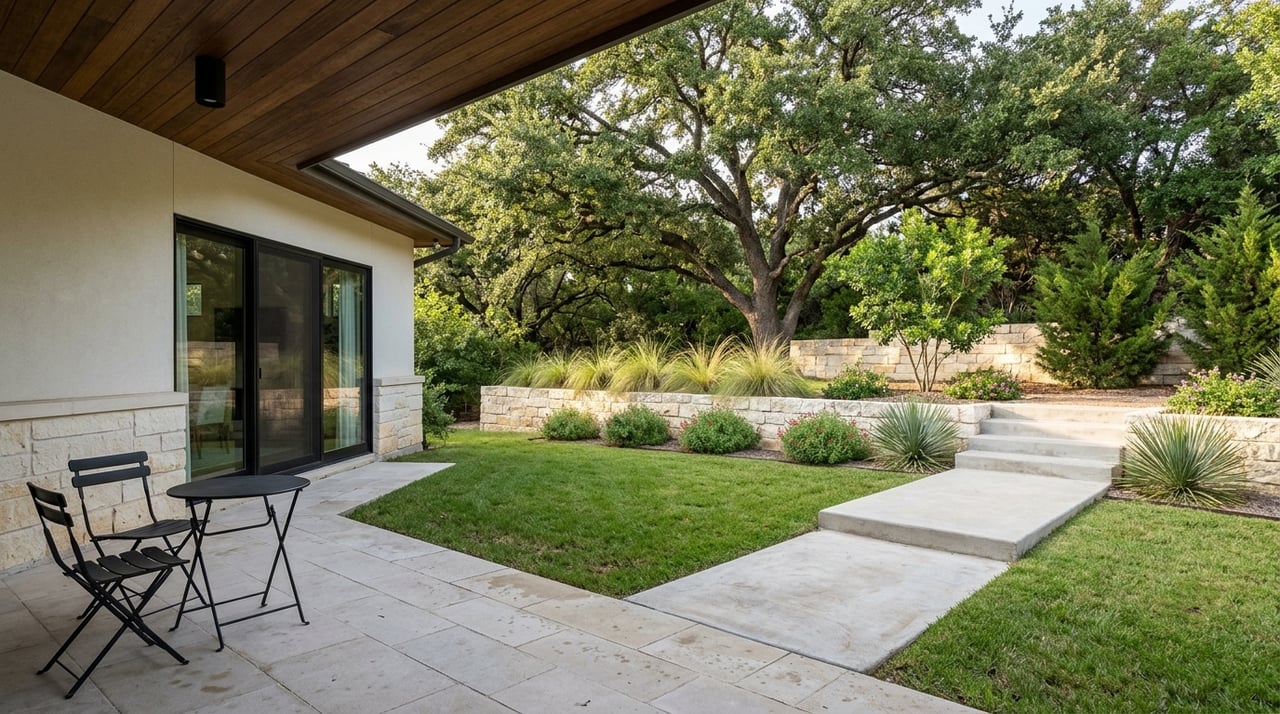
If you’re buying in Barton Hills, being “close to the Greenbelt” can sound like an automatic win. In reality, the best spot is not always the closest one. If you want easy trail access and a home that feels calm, private, and practical day to day, it helps to look beyond the neighborhood name and compare each street and lot carefully. Let’s dive in.
Why Greenbelt proximity matters
The Barton Creek Greenbelt is one of Austin’s best-known outdoor amenities, with more than 12 miles overall and a 7.5-mile main trail. For many buyers, that kind of access is a real lifestyle draw.
In Barton Hills, though, proximity can come with tradeoffs. Streets near major access points may see more trail parking, more foot traffic, and a busier feel on weekends or after work.
How close is close enough?
The answer depends on how you want to live. Some buyers want to step outside and be on the trail in minutes, while others want the Greenbelt nearby without feeling like they live next to a destination.
The City of Austin identifies nearby trailheads including Barton Hills School Park/Homedale Dr. and Gus Fruh/Barton Hills Dr. The first has a free parking lot, while Gus Fruh relies on limited street parking, which can shape how busy nearby blocks feel.
Trailheads can change the feel of a street
Two homes in Barton Hills may both market themselves as Greenbelt-close, but their day-to-day experience can be very different. A house near a popular access point may have easier trail use, but it may also pick up more parked cars and more people moving through the area.
That matters most during peak times. Weekend mornings and weekday evenings can feel very different from a quiet midday showing.
Zilker events can add seasonal pressure
Barton Hills also sits near Zilker Metropolitan Park, a major Austin destination of more than 350 acres that draws more than a million visitors each year. Signature events like Austin City Limits Music Festival, Trail of Lights, and the ABC Kite Festival can affect access and parking in the broader area.
For you as a buyer, that means some addresses get the upside of a sought-after location while also dealing with event-related traffic patterns. It is worth understanding whether a home’s convenience comes with occasional access headaches.
Why lot details matter more
In Barton Hills, the lot itself often matters more than the label on the listing. A Greenbelt-adjacent address may sound ideal, but one lot or one street back can sometimes offer a better balance.
That balance may include more privacy, a more usable yard, and less direct exposure to trail activity. In a hilly, wooded setting, those differences can have a big impact on daily enjoyment.
Backing to the Greenbelt vs nearby
Backing directly to the Greenbelt can create a strong amenity story. It may also create more visibility into your outdoor space, depending on sightlines, fencing, slope, and how the trail sits in relation to the home.
A nearby lot may still give you quick access while offering a more sheltered patio, pool area, or backyard. In resale terms, that middle ground can be appealing.
Privacy and outdoor use
If outdoor living matters to you, spend time thinking about how the lot actually functions. Look at where the home faces, how shaded the yard is, and whether the patio or side yard feels exposed.
You should also consider how you’ll use the space at different times of day. A beautiful backyard on paper may feel less comfortable if it gets harsh afternoon sun or limited privacy.
Drainage and slope deserve extra attention
Because Barton Creek runs through the area, lot conditions deserve close review. Austin Watershed Protection notes that every creek and lake has a floodplain, and about 10% of Austin land lies within a floodplain.
That does not mean every Barton Hills property near the Greenbelt has a problem. It does mean you should check address-specific floodplain information and look carefully at drainage, grading, and prior water issues before moving forward.
Check floodplain status early
Austin maintains a FloodPro tool to check floodplain information by address. If a home is near Barton Creek or in a low-lying area, confirming floodplain status before removing contingencies is a smart step.
This is especially important if you are comparing several homes and trying to understand long-term maintenance and risk. Two properties on the same side of the neighborhood can perform very differently.
Watch for erosion and stabilization work
The city has addressed streambank slope stabilization along Barton Creek after flooding-related slope failure. For buyers, that is a reminder that creek-adjacent land can involve more complexity than the street view suggests.
During your review, pay attention to retaining walls, terracing, visible runoff paths, and signs of previous repair work. If a lot slopes sharply, ask whether stabilization work was completed and permitted properly.
Nighttime feel is easy to overlook
Many buyers focus on daytime curb appeal and weekend trail access. But near the Greenbelt, nighttime conditions can feel very different.
The city notes that the Greenbelt has limited to no lighting, and park facilities officially close after 10 p.m. If you plan to use a patio, dog run, or side yard after dark, it is worth checking real-world lighting and visibility in person.
What this can mean for resale
Being near parks and open space often supports value, but the relationship is not always simple. A 2019 review of 33 U.S. studies found that home values generally rise with proximity to parks and open space, while also noting that homes immediately adjacent to a park sometimes capture a smaller premium than homes a block or two away.
That nuance matters in Barton Hills. The Greenbelt is a major amenity, but direct adjacency is not automatically the strongest resale position.
The best resale story is often balanced
A home that offers convenient trail access without the biggest parking, visibility, or drainage tradeoffs may be easier to resell. Buyers often respond well to a property that captures the lifestyle benefit while still feeling private and manageable.
That is why street-by-street and lot-by-lot analysis matters so much here. In Barton Hills, the most compelling purchase is often the one with the best balance, not the shortest walk.
Questions to ask during showings
A showing is your chance to move beyond the listing description and understand how a property really lives. These questions can help you compare homes more clearly:
- Which trailhead is closest, and how do people usually get there from this street?
- Is the street used for trail parking, ride-share drop-offs, or overflow parking?
- What does the block feel like on a Saturday morning or weekday evening?
- Does the home face the trail, a side street, or open space?
- How visible are the yard, patio, or pool areas?
- How do shade, sun, and privacy change during the times you will actually use the outdoor space?
Questions to ask during inspections
For homes near Barton Creek and the Greenbelt, inspections should go beyond the basics. You want to understand the lot’s history and any issues that may affect future use or maintenance.
Focus on questions like these:
- Is there any history of flooding, seepage, erosion, or water intrusion?
- Has there been foundation movement or retaining-wall repair?
- Does the survey show easements, drainage corridors, or setbacks that affect fences or additions?
- Is the property in a mapped floodplain?
- If the lot is steep, was any slope or stabilization work done correctly?
A smarter way to buy in Barton Hills
If you love the idea of living near the Barton Creek Greenbelt, you are not alone. It is one of the reasons Barton Hills stays so appealing to buyers who want outdoor access and central Austin convenience.
The key is to look past the headline and study how each home actually works. In this part of Austin, a well-positioned lot just off the busiest access points may give you the lifestyle you want with fewer tradeoffs.
When you want neighborhood-level insight that goes beyond the listing photos, working with someone who knows Barton Hills block by block can make the search feel much clearer. If you’re weighing homes near the Greenbelt, connect with The Sparks Collective ATX, LLC for personalized guidance.
FAQs
What should you check when buying near the Barton Creek Greenbelt in Barton Hills?
- Focus on trail access, street parking patterns, privacy, yard usability, drainage, floodplain status, slope conditions, and nighttime lighting.
Are homes closest to the Greenbelt always the best choice in Barton Hills?
- No. A home one lot or one street back may offer a better mix of access, privacy, outdoor usability, and resale appeal.
Can Zilker Park events affect buying decisions in Barton Hills?
- Yes. Major events at Zilker Park can affect traffic, parking, and access in nearby areas, so it is worth understanding how a specific address is impacted.
Why does floodplain research matter when buying in Barton Hills?
- Because Barton Creek runs through the area, some properties may have more drainage or flood-related considerations than others, even within the same neighborhood.
What should you ask during a Barton Hills home showing near the Greenbelt?
- Ask which trailhead is closest, whether the street sees trail parking or drop-offs, how private the outdoor space feels, and what the block is like during busy times.