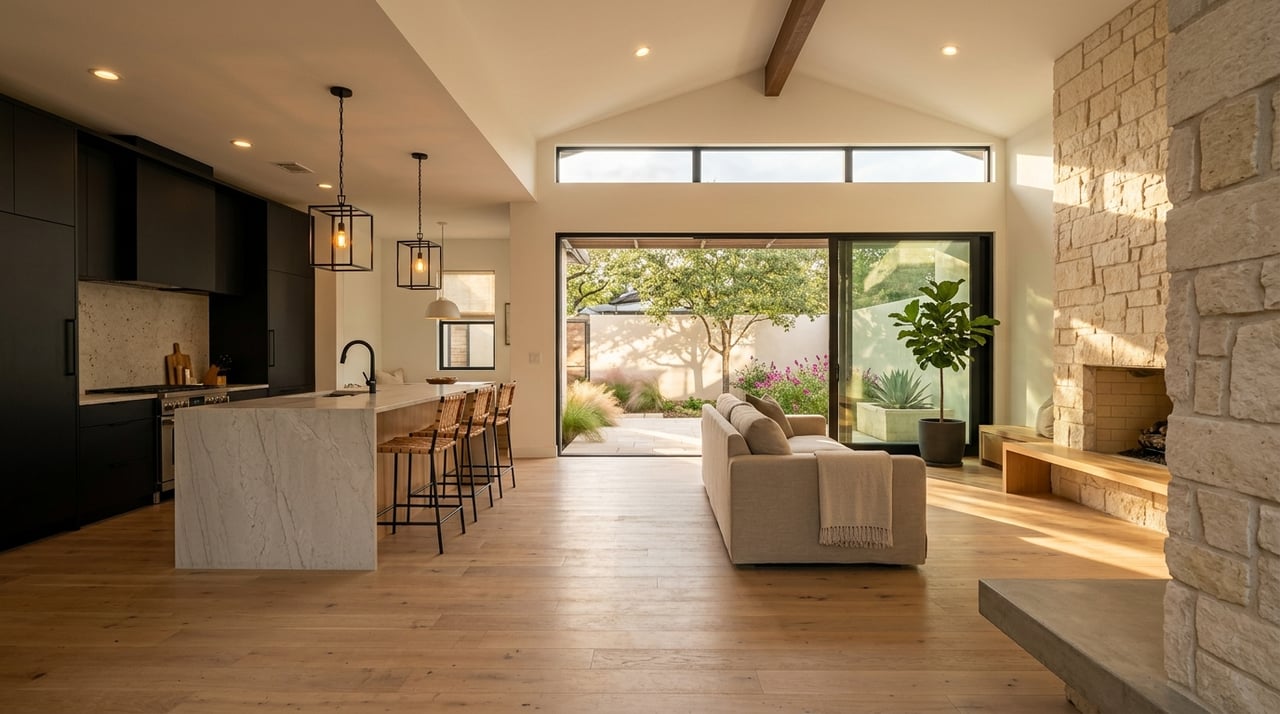
Wondering whether a classic bungalow or a newer home is the better fit in Zilker? You are not alone. In one of central Austin’s most layered neighborhoods, it is common to compare a 1920s cottage, a postwar home, and a newer build on the same outing. If you want to understand how each style lives, what tradeoffs come with it, and how to shop with more confidence, this guide will help you sort through the options. Let’s dive in.
Why Zilker Has So Many Home Styles
Zilker developed over time, not in a single wave. According to the Zilker Neighborhood Association, much of the neighborhood’s first housing dates to the late 1920s, while the area’s parkland story stretches from Andrew Jackson Zilker’s gifts to the city between 1918 and 1934.
That long timeline helps explain why Zilker feels so varied today. Instead of one dominant housing type, you will often find older cottages and bungalows, postwar homes, and newer infill or replacement construction mixed within a few blocks.
Zilker Park also shapes the neighborhood’s appeal in a big way. The park covers 358 acres and includes Barton Springs Pool, which helps reinforce why outdoor space, walkability, and a strong connection to the outdoors matter so much to many buyers here.
What a Classic Bungalow Offers
If you are drawn to charm, a classic bungalow may be the home style that grabs you first. The National Park Service describes the Craftsman bungalow as typically one or one-and-one-half stories, with a low-pitched gabled roof, wide eaves, exposed rafters, and a deep front porch with tapered square columns.
In real life, that often translates into a home with memorable curb appeal and a strong sense of personality. In Austin’s climate, the covered front porch can also feel like a genuinely useful living space rather than just a design detail.
Why Buyers Love Bungalows
Bungalows tend to win on character and scale. If you want a home that feels established and visually distinct, this style often delivers.
Many buyers also like the way these homes sit on their lots. Even when the square footage is modest, the front porch and street presence can make the home feel welcoming and connected to the neighborhood.
What to Check Closely in Older Homes
With older homes, style and condition are not the same thing. A bungalow can be beautifully updated, but you still need to evaluate how well its roof, porch, windows, siding, and past remodel work have held up.
In Austin, renovation or repair work that requires permits must go through the city’s permit and inspection process. If a property is designated historic, exterior changes may also be subject to review.
That means your due diligence should focus less on the label of the house and more on the details of its upkeep. A charming exterior is appealing, but the history of updates matters just as much.
How Mid-Century Homes Live
If you want something that feels open and bright, a mid-century home may hit the sweet spot. Research from the Austin History Center and the National Park Service points to postwar homes with open floor plans, large window walls, and a stronger connection between indoor and outdoor spaces.
For many buyers, that means a home that feels easy to live in. These houses often support casual entertaining, flexible daily routines, and a lighter, more connected feel between rooms.
Strengths of Mid-Century Design
Mid-century homes often feel bigger than their square footage suggests. Open communal spaces, large windows, and sliding glass panels can create a stronger sense of flow and natural light.
If you enjoy the idea of a home that blends indoor comfort with outdoor living, this style can be especially appealing in Zilker. That connection fits the neighborhood’s broader lifestyle and its proximity to major outdoor spaces.
Where Mid-Century Homes Need Attention
Original features can be both a plus and a challenge. Older glass, custom detailing, and mid-century materials may be harder to match or replace if the home has not been thoughtfully updated.
That does not make these homes a poor choice. It just means you will want to look carefully at what is original, what has been improved, and what could require more effort later.
What New Construction Brings
For buyers who want a more turnkey experience, new construction often stands out. Austin’s residential permit system is built around compliance with city and building codes, and the city’s inspection division reviews new construction, remodels, and plumbing, electrical, and mechanical work to confirm permitted work was built as approved.
That is one of the strongest practical arguments for newer homes. They are usually less likely to need immediate system replacements, which can make the early years of ownership feel more predictable.
Why Buyers Choose New Builds
New homes often appeal to buyers who value convenience and cleaner maintenance expectations. If you prefer spending less time on near-term repairs and more time settling into the neighborhood, a newer build can be a strong fit.
They can also work well for buyers who want a more current layout. In a neighborhood with many older homes, that can be a major deciding factor.
Why You Still Need Due Diligence
New does not always mean simple. In central Austin, buyers should still confirm permit history, completed inspections, and whether a property is located in a historic district or another reviewed area.
The City of Austin notes that local historic districts require historic review for changes to contributing properties and for new construction on any property. Austin also has nearly 700 historic landmarks, 8 local historic districts, and 18 National Register historic districts, so status checks matter here.
Permit timing can also differ if a property is in a floodplain or historic district. Even with a newer home, asking the right questions up front can save time and reduce surprises.
Comparing Home Styles in Zilker
When you tour homes in Zilker, you are often weighing lifestyle fit as much as square footage. Here is a simple way to think about the main tradeoffs.
| Home style | Often strongest on | Often weakest on |
|---|---|---|
| Bungalow | Character, porch life, and scale | Predictability if updates are incomplete |
| Mid-century | Light, room flow, and indoor-outdoor connection | Replacement challenges when original systems or finishes remain |
| New construction | Turnkey convenience and current-code compliance | Architectural charm for buyers who want older-home character |
How to Decide What Fits You Best
The right answer usually comes down to your priorities. If original charm is at the top of your list, a bungalow may feel worth the added diligence.
If you want openness, light, and easy flow, a mid-century home may give you the best balance. If you want fewer near-term projects and a more turnkey start, new construction may be the better match.
It also helps to think beyond the house itself. In Zilker, the surrounding lifestyle matters. Access to outdoor space, walkability, and the neighborhood’s layered character often shape the buying decision just as much as finishes or floor plan.
A Smart Buying Approach in Zilker
Because Zilker offers such a mixed housing stock, it helps to compare homes by condition and fit, not just age. Two homes with similar square footage can offer very different ownership experiences depending on how they were built, updated, and maintained.
A thoughtful search usually starts with a few clear questions:
- Do you want charm or predictability first?
- How much near-term maintenance are you comfortable taking on?
- Do you prefer defined spaces, open flow, or a newer layout?
- How important are porch living, large windows, or turnkey systems to your day-to-day life?
- Are permit history and review status especially important for the homes you are considering?
When you walk into a home with those priorities in mind, the choice often becomes clearer. The goal is not to pick the objectively best style. It is to choose the one that fits the way you want to live in Zilker.
If you want help comparing older charm, mid-century livability, and newer construction in Zilker, The Sparks Collective ATX, LLC can help you narrow the options and make a confident move.
FAQs
What makes Zilker homes so varied compared with newer neighborhoods?
- Zilker developed over many decades, with much of its first housing built in the late 1920s, so buyers often see bungalows, postwar homes, and newer construction in close proximity.
What should you check when buying a bungalow in Zilker?
- You should look closely at the condition of the roof, porch, windows, siding, and prior remodel work, and confirm whether any required permits and inspections were completed.
Why do some buyers prefer mid-century homes in Zilker?
- Many buyers like mid-century homes for their open room flow, large windows, and stronger indoor-outdoor connection.
Does new construction in Zilker still require due diligence?
- Yes, you should still confirm permit history, completed inspections, and whether the property is in a historic district, floodplain, or another reviewed area.
How do you choose between a bungalow and a new build in Zilker?
- A bungalow may be the better fit if you value character and porch-centered living, while a new build may work better if you want turnkey convenience and fewer near-term maintenance concerns.